
Nov 5, 2026 · Wanhe Vietnam
How to read fabric specifications: composition, weight and width
The three most important specifications when choosing fabric, and what to prepare when requesting a quote.
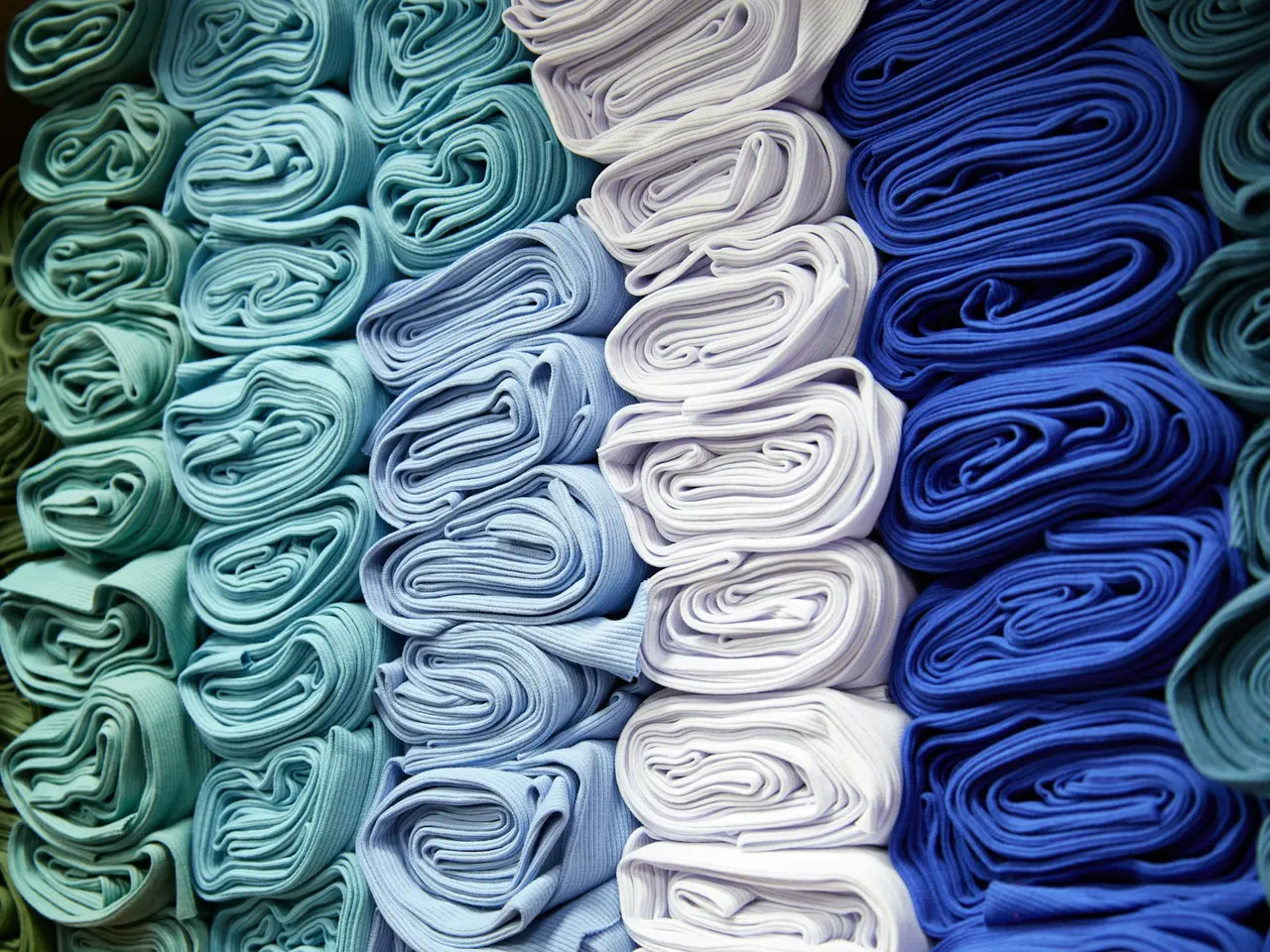
When you receive a fabric data sheet, the three specifications to check first are composition, weight (gsm) and width. Reading them correctly helps you choose the right fabric and request more accurate quotes.
1. Composition
Composition tells you which fibres the fabric is made of and in what proportion, for example 95% cotton, 5% elastane.
- Cotton: breathable, soft and gentle on the skin.
- Polyester: durable, wrinkle-resistant and quick to dry.
- Elastane (spandex): adds stretch, usually only a few percent.
- Rayon: soft, fluid, and cool to wear.
2. Weight (gsm)
GSM is the weight of one square metre of fabric in grams. The higher the number, the thicker and heavier the fabric. Shirting is usually lighter than T-shirt jersey, and fleece is much heavier. When comparing two items, compare the same construction (knit with knit, woven with woven).
3. Width
Width is the width of the roll in centimetres. It affects pattern layout and cutting waste, so always state the width when ordering.
4. What to include when requesting a quote
- The type of garment (T-shirt, shirt, dress, uniform...).
- The composition, weight and width you need.
- The colours and estimated quantity.
- Ask for swatches to check before placing a large order.
This is a sample article that shows staff how to write and format posts in the admin panel.